Astrochelys radiata
(Shaw, 1802)
Radiated Tortoise, Rayed Tortoise

The radiated tortoise is a tortoise species in the family Testudinidae. Although this species is native to and most abundant in southern Madagascar, it can also be found in the rest of this island, and has been introduced to the islands of Réunion and Mauritius. It is a very long-lived species, with recorded lifespans of up to 188 years. These tortoises are classified as critically endangered by the IUCN, mainly because of the destruction of their habitat and because of poaching.
Climate
Where this species lives (Köppen-Geiger zones):
Other zones, each under 10%: 7%
Estimate for BSh: needs review.
Compare with where you live
Coming soon: indoor and enclosure scores
For an animal kept indoors, you’ll set your room’s temperature range for each month. Then you’ll either add its humidity or let us use your outdoor humidity. For an enclosure, you’ll enter its average temperature and humidity for each month.
The higher a species scores outdoors where you live, the easier its indoor room or enclosure will be to keep well. A low score means much more work and closer watching. A red-footed tortoise in Phoenix can’t rely on local humidity, so its keeper has to keep the enclosure humid and watch it closely. A red-footed tortoise in Miami may be able to live outdoors with little added humidity.
Captive-bred availability
Occasionally captive-bred
Reviewed by a curatorSome keepers breed it. Expect a wait, or a waiting list.
Private breeders in Florida, Texas and possibly Arizona sell hatchlings, but to in-state buyers only; CBW registrations for the species appear in the Federal Register.
Sign in Sign in to say how often you see this species captive-bred.
Diet
Not reviewed yet. We haven’t checked a diet for this species.
Consensus
No reviewed care evidence yet. Our curators are still working through it.
Videos
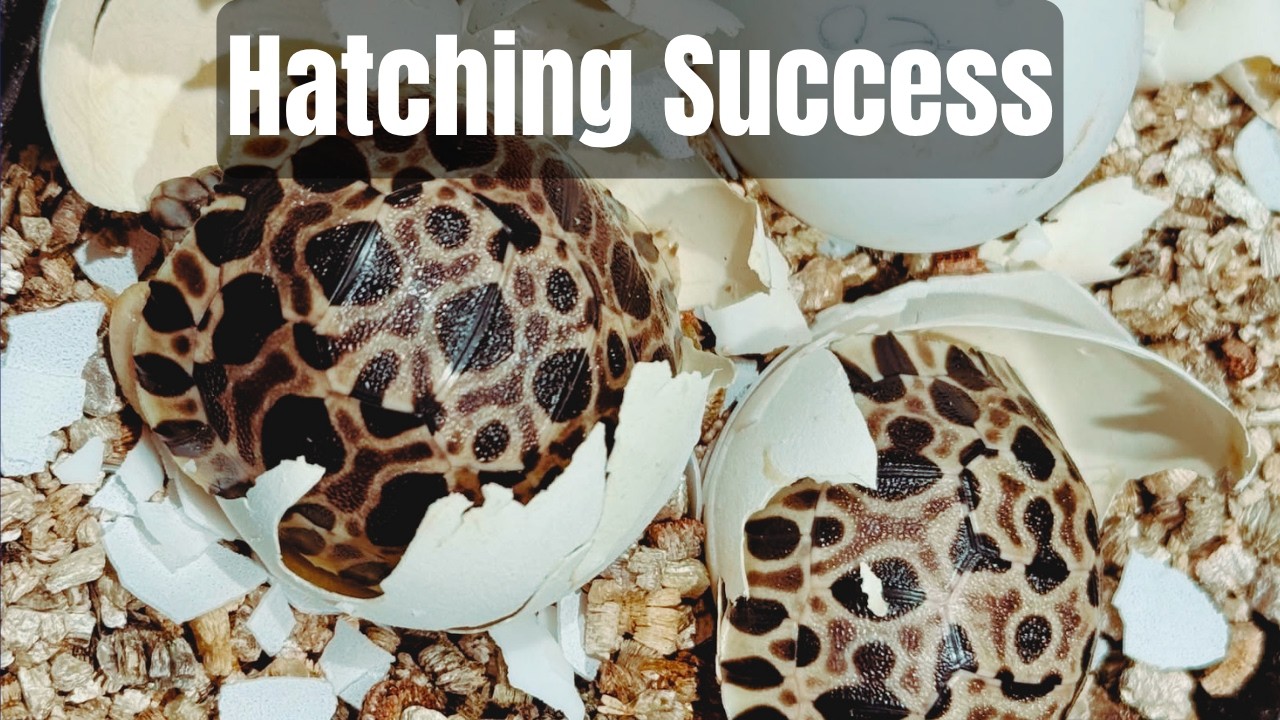 49:36The Long Game: Breeding Radiated Tortoises with Paul RattayTurtle TeaPodcast, TTPG, Aug 23, 2026
 39:39Radiated Tortoises - Everyone's Dream SpeciesTurtle TeaPodcast, TTPG, Jul 26, 2026
 11:23WORLD’S MOST BEAUTIFUL TORTOISE?Garden State Tortoise, Sep 18, 2022
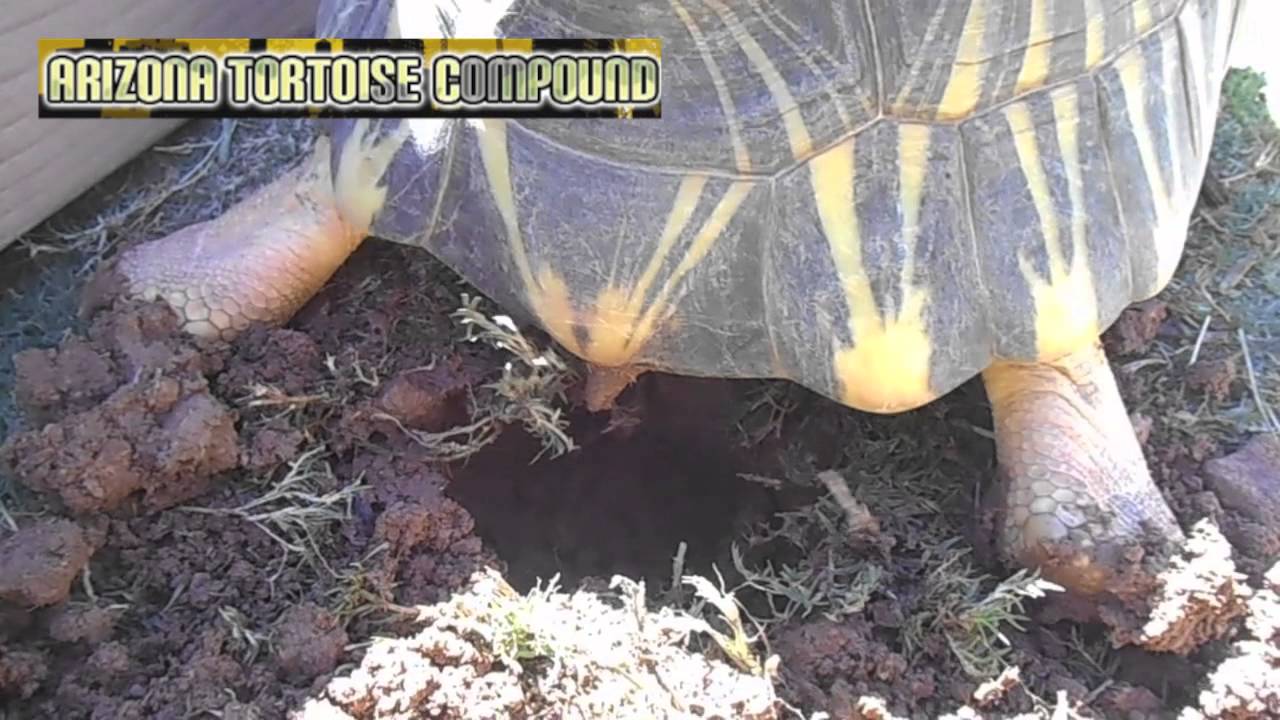 1:37Radiated Tortoise Building a Nest From Start to FinishThe Turtle Room, Mar 25, 2014
What’s been reported
- Heaviest on record (not an average)
- 16 kg
- Longest shell (straight carapace)
- 41 cm
- Longest life in this dataset
- 85 years
- Hatchling or newborn mass
- 61 g
- Clutch or litter size
- 3–12
- Clutches or litters per year
- 3
- Lives
- on the ground
- Habitat
- marine, shrubland
- Active
- by day
- Diet
- eats mostly plants
- Sex is set by
- egg temperature
Values gathered from the scientific literature, which can be incomplete or out of date: animals in human care may live longer or grow larger than what’s listed. This isn’t care advice. Selected from ReptTraits v1-2 (Oskyrko et al. 2024), values rounded · CC BY 4.0