Terrapene coahuila
Schmidt & Owens, 1944
Coahuilan box turtle, Aquatic Box Terrapin, Aquatic Box Turtle, Coahuila Box Terrapin, Coahuila Box Turtle, Coahuila Turtle and 1 more

The Coahuilan box turtle, also known commonly as the aquatic box turtle, is an endangered species of turtle in the family Emydidae. Unlike the other members of the genus Terrapene, this turtle spends roughly 90% of its time in water.
Climate
Where this species lives (Köppen-Geiger zones):
Other zones, each under 10%: 6%
Estimate for BWh: needs review.
Compare with where you live
Coming soon: indoor and enclosure scores
For an animal kept indoors, you’ll set your room’s temperature range for each month. Then you’ll either add its humidity or let us use your outdoor humidity. For an enclosure, you’ll enter its average temperature and humidity for each month.
The higher a species scores outdoors where you live, the easier its indoor room or enclosure will be to keep well. A low score means much more work and closer watching. A red-footed tortoise in Phoenix can’t rely on local humidity, so its keeper has to keep the enclosure humid and watch it closely. A red-footed tortoise in Miami may be able to live outdoors with little added humidity.
Captive-bred availability
Rarely captive-bred
Reviewed by a curatorA few keepers breed it. Most animals offered are wild-caught or farmed.
A U.S. and European studbook shows it breeds well in captivity, in zoos; wild-caught animals have reached private collections through poaching. None legally in the trade.
Sign in Sign in to say how often you see this species captive-bred.
Diet
Not reviewed yet. We haven’t checked a diet for this species.
Consensus
No reviewed care evidence yet. Our curators are still working through it.
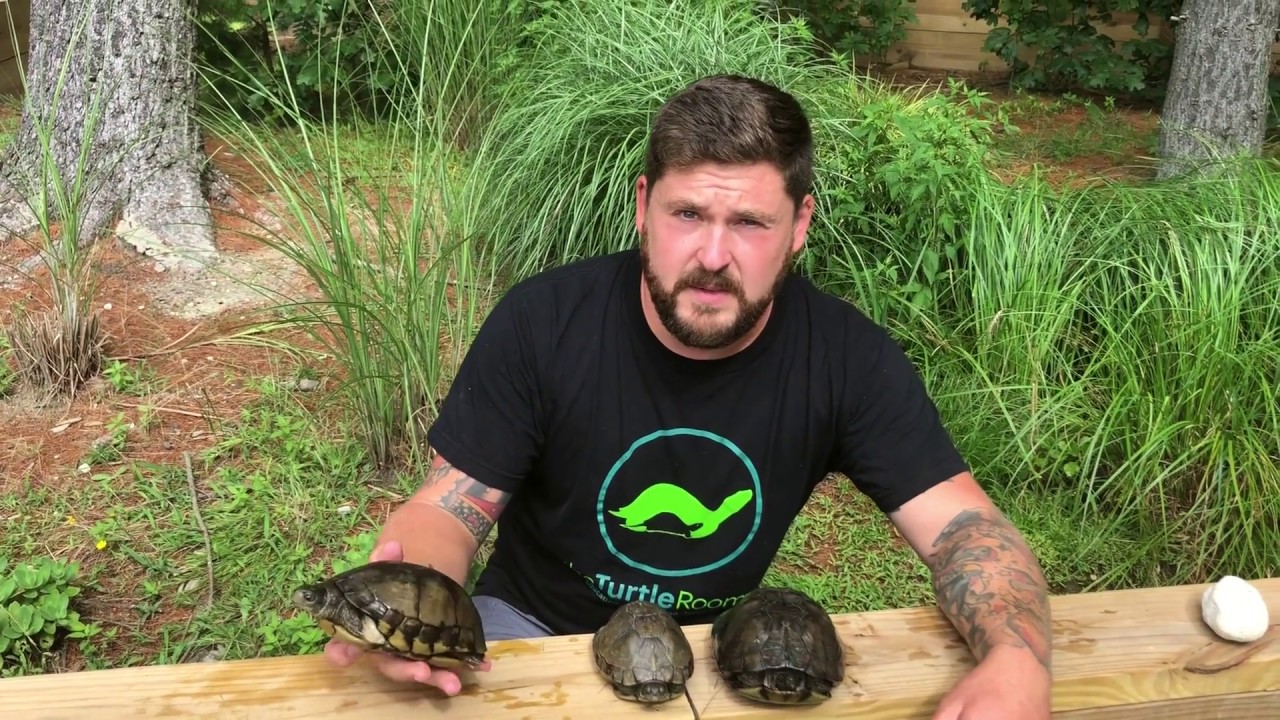
Videos

What’s been reported
- Heaviest on record (not an average)
- 681 g
- Longest life in this dataset
- 138 years
- Hatchling or newborn mass
- 5.7 g
- Clutch or litter size
- 2–3
- Clutches or litters per year
- 1
- Lives
- in water
- Habitat
- wetlands
- Active
- at dawn and dusk
- Diet
- eats animals and plants
- Sex is set by
- egg temperature
Values gathered from the scientific literature, which can be incomplete or out of date: animals in human care may live longer or grow larger than what’s listed. This isn’t care advice. Selected from ReptTraits v1-2 (Oskyrko et al. 2024), values rounded · CC BY 4.0